Understanding the Impact of Dental Trauma
Dental accidents can strike at the most unexpected moments, transforming an ordinary day into a dental emergency requiring treatment from a private dentist in Manchester. Whether it’s a sporting mishap, a cycling accident, or an unfortunate slip on an icy pavement, dental trauma affects thousands of people each year. The consequences extend far beyond the immediate pain, potentially compromising both the functionality of one’s bite and the appearance of one’s smile. Fortunately, modern dentistry offers sophisticated solutions that can restore teeth to their former glory, and in some cases, make them even better than before.
When dental trauma occurs, the extent of damage can vary considerably. Some individuals experience minor chips or cracks, whilst others face more severe injuries such as knocked-out teeth, fractured roots, or damage to the surrounding bone and soft tissue. Understanding the classification and management of dental trauma is essential for achieving optimal outcomes. The immediate response to such injuries often determines the long-term prognosis, making swift professional intervention absolutely crucial.
The Comprehensive Assessment Process
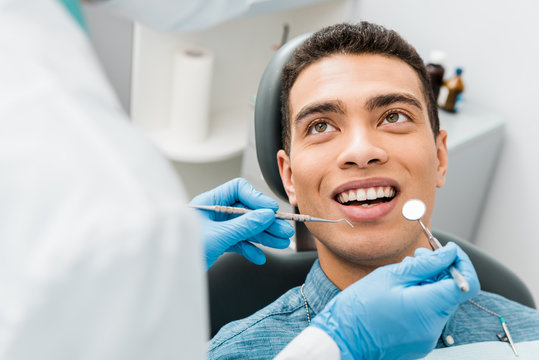
Following a dental accident, a thorough examination forms the cornerstone of effective treatment. Private dental practitioners typically conduct a detailed assessment that goes well beyond simply looking at the visible damage. This comprehensive evaluation includes radiographic imaging to identify any hidden fractures, root damage, or injuries to the jawbone. Additionally, dentists assess the vitality of the affected teeth, checking whether the nerve tissue remains healthy or has been compromised by the trauma.
The assessment phase also considers the patient’s overall oral health, bite alignment, and aesthetic concerns. A dentist would evaluate how the trauma has affected the patient’s ability to chew, speak, and smile confidently. This holistic approach ensures that treatment plans address not only the immediate damage but also any potential long-term complications that might arise if injuries are left untreated or inadequately managed.
Immediate Treatment Protocols
Time-sensitive interventions can make a remarkable difference in treatment outcomes. When a tooth has been completely knocked out, reimplantation within the first hour offers the best chance of success.
Private dental practices maintain protocols for emergency situations, ensuring patients receive immediate attention when trauma occurs. The tooth must be handled carefully, kept moist, and repositioned as quickly as possible to preserve the periodontal ligament cells that are essential for successful reintegration.
Advanced Restorative Techniques
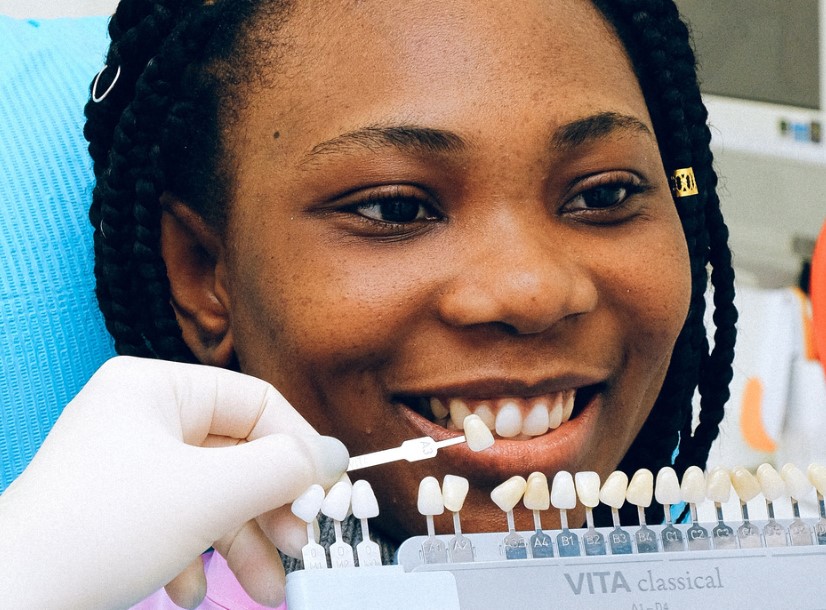
Modern restorative dentistry offers an impressive array of solutions for repairing damaged teeth. For minor chips and cracks, composite bonding provides a quick and aesthetically pleasing remedy. This technique involves applying tooth-coloured resin material that is carefully sculpted and polished to match the natural tooth structure. The results are often indistinguishable from the original tooth, restoring both function and appearance seamlessly.
More extensive damage may require porcelain veneers or crowns, which offer durability and exceptional aesthetic outcomes. These restorations are custom-crafted to match the colour, shape, and translucency of natural teeth. In cases where teeth cannot be saved, dental implants represent the gold standard for replacement, providing a permanent solution that mimics natural tooth roots and supports lifelike prosthetic teeth.
Addressing Complex Cases
Some dental trauma cases involve multiple teeth or complex injuries requiring a multidisciplinary approach. Restorative treatment for traumatic dental injuries often necessitates coordination between general dentists, endodontists, periodontists, and prosthodontists. This collaborative effort ensures that every aspect of the injury receives appropriate attention, from root canal therapy to gum tissue management and final restoration.
Long-Term Monitoring and Maintenance
Recovery from dental trauma doesn’t end when the initial treatment is complete. Regular follow-up appointments allow dentists to monitor healing progress and identify any delayed complications. Some traumatised teeth may develop problems months or even years after the initial injury, making ongoing surveillance essential. Evidence-based dental trauma treatment protocols emphasise the importance of systematic follow-up care to ensure optimal long-term outcomes.
Restoring Confidence and Quality of Life
The psychological impact of dental trauma should never be underestimated. A damaged smile can affect self-confidence, social interactions, and overall quality of life. Private dental care offers personalised treatment plans that prioritise both functional restoration and aesthetic excellence, helping patients regain their confidence alongside their smiles. Through meticulous attention to detail and cutting-edge techniques, dental professionals transform traumatic experiences into stories of successful recovery and renewed self-assurance.