Business

Common Challenges in Emergency Situations and How to Prepare for Them

Why Emergencies Can Be Difficult to Manage

Unexpected emergencies can place people under considerable pressure, particularly when several problems occur simultaneously. Fires, medical incidents, severe weather, equipment failures, and security concerns may require immediate decisions while information remains incomplete. Confusion can increase when people do not understand their responsibilities, emergency equipment is difficult to access, or established procedures have not been practised. Recognising these difficulties in advance allows organisations to develop practical arrangements that support a safer and more coordinated response.

Preparation involves more than writing down instructions. Organisations need to understand their risks, identify the resources available to them, and ensure that employees know how to respond when normal operations are disrupted. Emergency preparedness providers such as TCA Emergency Solutions are part of a wider sector focused on helping organisations consider how planning, communication, and appropriate response arrangements contribute to managing unexpected incidents.

Communication Gaps and Delayed Decisions

During an emergency, unclear communication can prevent people from understanding what is happening or deciding what to do next. Employees might receive conflicting instructions, struggle to contact responsible personnel, or remain uncertain about whether an area is safe.

Establishing reliable communication channels before an incident occurs can reduce these difficulties. Organisations should identify who is responsible for raising alarms, sharing updates, contacting emergency services, and coordinating essential actions. Instructions should be concise and accessible so that people can understand them quickly.

TCA Emergency Solutions

Decision-making arrangements also need to be clear. When responsibilities are assigned beforehand, employees are less likely to waste valuable time determining who should take action.

The Importance of Accessible Emergency Resources

Emergency equipment must be available, functional, and suitable for the risks present. First-aid kits, alarms, emergency lighting, protective equipment, and communication devices may all play an important role during an incident.

Regular inspections can identify missing supplies, faulty equipment, blocked exits, and other problems that could interfere with an emergency response. Organisations should ensure that employees know where essential resources are located and understand how to use them within their training.

Accessibility deserves particular attention. Emergency arrangements should account for people who may need assistance because of mobility limitations, sensory impairments, or other requirements.

Preparing for Different Types of Incidents

A single emergency procedure may not address every possible situation. Fires, medical emergencies, hazardous material incidents, severe weather, and security threats can each require different protective actions.

Organisations should assess the hazards associated with their buildings, activities, equipment, and surrounding environment. This assessment can inform procedures for evacuation, sheltering, reporting incidents, and requesting specialist assistance.

Plans should also explain how employees can recognise warning signs and where they can obtain reliable instructions. Clear guidance helps people avoid relying on assumptions when circumstances change.

Conducting Drills and Staff Training

Training helps employees become familiar with emergency procedures before they need to use them. Evacuation exercises, safety briefings, first-aid training, and scenario-based discussions can improve awareness of individual responsibilities.

Drills also provide opportunities to identify practical problems. For example, an exercise may reveal that an evacuation route is difficult to access or that employees do not understand the alarm system. Recording these observations makes it easier to introduce appropriate improvements.

Training should be repeated periodically and updated whenever significant changes affect workplace risks or emergency procedures.

Updating Plans Based on Lessons Learned

Emergency plans should develop alongside the organisation. Reviews following drills, actual incidents, staffing changes, or alterations to facilities can reveal whether existing arrangements remain effective.

Feedback from employees and relevant specialists can highlight weaknesses in communication, equipment, responsibilities, or decision-making. Organisations should document these findings, make necessary changes, and ensure that updated procedures reach everyone concerned.

Regular assessment and practical preparation help organisations address recurring challenges, strengthen emergency arrangements, and improve their ability to respond when unexpected situations arise.


Games

Creative Dice Accessories Bringing Personality into Every Tabletop Gaming Session

Dice accessories can make tabletop sessions more organised while reflecting personal style. A suitable dice tray keeps rolls within a defined area and reduces clutter. Nerd Gear Gaming offers gaming accessories for people who want practical additions that suit their preferred setup.

When searching for dice accessories, buyers usually compare appearance, durability, size, and ease of use. Some want colourful designs, while others prefer simple materials that match existing equipment. Without a clear plan, it becomes easy to purchase accessories that look appealing but do not suit the table.

Start with Purpose

Choose accessories according to their main function rather than appearance alone. A structured approach helps balance style, storage, and everyday usefulness.

  • Select trays that fit the available table space.
  • Choose dice with clear numbers for easier reading.
  • Check materials for durability and simple maintenance.
  • Match colours with existing tabletop equipment.
  • Consider storage needs before buying larger accessories.

Choose A Suitable Tray

A dice tray keeps rolling areas contained and helps prevent dice from scattering across the table. Fabric-lined trays may reduce noise, while solid surfaces can provide firmer support.

Nerd Gear Gaming

Measure the available space before choosing a tray. Larger designs may suit group sessions, but they can crowd smaller tables.

Explore Materials and Designs

Dice accessories come in materials such as wood, plastic, fabric, and metal. Each option offers a different balance of weight, appearance, and maintenance.

Nerd Gear Gaming accessories can be compared with other products by checking construction details and practical features. Decorative finishes may suit a personal theme, but they can require more careful cleaning than simpler designs.

Follow A Simple Plan

Use these steps to choose accessories that suit your needs.

  • Measure your table before selecting a tray.
  • Compare materials based on weight and cleaning requirements.
  • Check dice markings under ordinary room lighting.
  • Select designs that complement your existing equipment.
  • Test accessories before using them during a group session.
  • Store dice in a secure container between uses.

Frequently Asked Questions

  • What is the purpose of a dice tray?A dice tray keeps rolls contained and helps prevent dice from scattering across the table.
  • Which dice material should beginners choose?Plastic dice are generally lightweight and practical. Buyers should also check readability and construction quality.
  • Are metal dice suitable for every table?Metal dice are durable but heavier. Use a suitable tray to protect delicate surfaces from impact.
  • How should dice accessories be maintained?Remove dust regularly and follow the manufacturer’s cleaning instructions. Store accessories in a dry place.

Make Thoughtful Choices

Useful dice accessories combine personal expression with practical design. Start by identifying the problems your current setup creates. Choose materials that suit your table and maintenance habits. Review their performance after regular use. Consistent care keeps your equipment organised while allowing your personal style to develop naturally.

Beauty

Improve Skin Firmness After Fifty With Targeted Daily Anti-Aging Skincare

Sagging after fifty isn’t really a moisture problem. It’s structural, tied to falling estrogen and fading collagen, the protein that keeps skin springy. A rich cream alone can’t rebuild that framework. The info at https://sonyadakar.com/collections/best-anti-aging-skincare-products-for-50s gathers formulas built for exactly this stage of life. Ahead, you’ll see what changes, which actives help, and how a simple routine fits together.

Menopause Changes What Holds Skin Up

Collagen drops fast in the first five years after menopause. Elastin, the fiber that lets skin snap back, frays too. That’s why the jawline and neck soften first. Oil glands slow down as well, so dryness becomes a daily companion.

Which Actives Rebuild Firmness Over Time?

Firming ingredients work by nudging fibroblasts, the cells that make collagen.

  • Retinol speeds renewal and thickens thinning skin over several months.
  • Peptides, short protein chains, tell skin to make more collagen.
  • Copper peptides like GHK-Cu help repair damaged tissue.
  • Growth factors support density where volume has faded.

Barrier Care Keeps Those Actives Working

Stressed, flaky skin won’t tolerate retinol well. Ceramides, the natural fats between skin cells, seal that barrier back up. Hyaluronic acid pulls water in for a quick plump. Niacinamide, a form of vitamin B3, calms redness and fades age spots.

https://sonyadakar.com/collections/best-anti-aging-skincare-products-for-50s

What Does A Firming Routine Look Like?

Keep it to a few steps you’ll do every day.

Morning Evening
Creamy, non-foaming cleanser Balm cleanse, then a gentle wash
Vitamin C serum Retinoid on dry skin
Peptide serum Peptide-rich night cream
Ceramide moisturizer, then SPF 30+ —

Serums and creams from https://sonyadakar.com/collections/best-anti-aging-skincare-products-for-50s slot neatly into either column. Start your retinoid two or three nights a week.

Sunscreen Protects The Collagen You Rebuild

UV light switches on enzymes called MMPs, which break down fresh collagen. Skip SPF, and months of retinol work quietly unravel. A zinc oxide sunscreen is gentle on retinoid-treated skin. Wear it on cloudy days too.

Can Diet And Sleep Support Firmer Skin?

Both help, though neither replaces topicals. Excess sugar forms AGEs, compounds that stiffen collagen like an old rubber band. Protein, vitamin C, and omega-3s from salmon or walnuts supply raw materials. Deep sleep releases growth hormone, which drives overnight repair.

Matching Collagen’s Clock After Menopause

Those first five years after menopause move fast. Retinol and peptides, on the other hand, run on a three-to-six-month clock. That gap is why so many routines get abandoned too early. Firmer skin after fifty isn’t something you buy once; it’s a pace you keep. Give a routine two full seasons before judging it.

FAQs

How soon will skin feel firmer?
Hydrators plump skin in a few days. Real firming from retinol and peptides takes around twelve weeks of steady use.

Is retinol safe for thin, mature skin?
Yes, if you start low and slow. An encapsulated retinol two nights a week keeps irritation down.

Can vitamin C and retinol be used together?
Keep the two apart for comfort. Vitamin C suits mornings, and retinoids belong at night.

Do the neck and chest need separate products?
Your face products work there too. Apply retinol more sparingly, since neck skin is thinner.

Dental

How Private Dentists Restore Function and Aesthetics Following Dental Trauma and Accidents

Understanding the Impact of Dental Trauma

Dental accidents can strike at the most unexpected moments, transforming an ordinary day into a dental emergency requiring treatment from a private dentist in Manchester. Whether it’s a sporting mishap, a cycling accident, or an unfortunate slip on an icy pavement, dental trauma affects thousands of people each year. The consequences extend far beyond the immediate pain, potentially compromising both the functionality of one’s bite and the appearance of one’s smile. Fortunately, modern dentistry offers sophisticated solutions that can restore teeth to their former glory, and in some cases, make them even better than before.

When dental trauma occurs, the extent of damage can vary considerably. Some individuals experience minor chips or cracks, whilst others face more severe injuries such as knocked-out teeth, fractured roots, or damage to the surrounding bone and soft tissue. Understanding the classification and management of dental trauma is essential for achieving optimal outcomes. The immediate response to such injuries often determines the long-term prognosis, making swift professional intervention absolutely crucial.

The Comprehensive Assessment Process

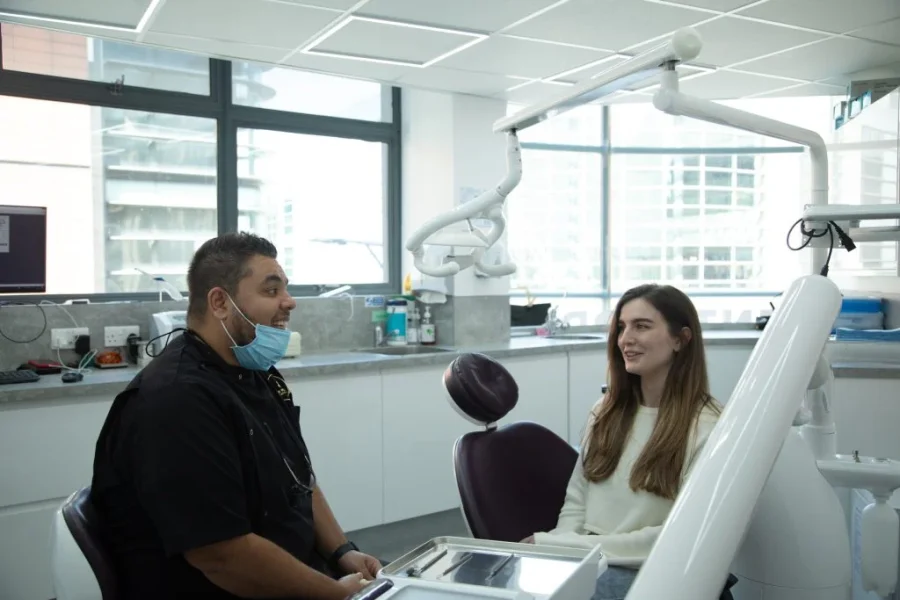
Following a dental accident, a thorough examination forms the cornerstone of effective treatment. Private dental practitioners typically conduct a detailed assessment that goes well beyond simply looking at the visible damage. This comprehensive evaluation includes radiographic imaging to identify any hidden fractures, root damage, or injuries to the jawbone. Additionally, dentists assess the vitality of the affected teeth, checking whether the nerve tissue remains healthy or has been compromised by the trauma.

The assessment phase also considers the patient’s overall oral health, bite alignment, and aesthetic concerns. A dentist would evaluate how the trauma has affected the patient’s ability to chew, speak, and smile confidently. This holistic approach ensures that treatment plans address not only the immediate damage but also any potential long-term complications that might arise if injuries are left untreated or inadequately managed.

Immediate Treatment Protocols

Time-sensitive interventions can make a remarkable difference in treatment outcomes. When a tooth has been completely knocked out, reimplantation within the first hour offers the best chance of success.

Private dental practices maintain protocols for emergency situations, ensuring patients receive immediate attention when trauma occurs. The tooth must be handled carefully, kept moist, and repositioned as quickly as possible to preserve the periodontal ligament cells that are essential for successful reintegration.

Advanced Restorative Techniques

Modern restorative dentistry offers an impressive array of solutions for repairing damaged teeth. For minor chips and cracks, composite bonding provides a quick and aesthetically pleasing remedy. This technique involves applying tooth-coloured resin material that is carefully sculpted and polished to match the natural tooth structure. The results are often indistinguishable from the original tooth, restoring both function and appearance seamlessly.

More extensive damage may require porcelain veneers or crowns, which offer durability and exceptional aesthetic outcomes. These restorations are custom-crafted to match the colour, shape, and translucency of natural teeth. In cases where teeth cannot be saved, dental implants represent the gold standard for replacement, providing a permanent solution that mimics natural tooth roots and supports lifelike prosthetic teeth.

Addressing Complex Cases

Some dental trauma cases involve multiple teeth or complex injuries requiring a multidisciplinary approach. Restorative treatment for traumatic dental injuries often necessitates coordination between general dentists, endodontists, periodontists, and prosthodontists. This collaborative effort ensures that every aspect of the injury receives appropriate attention, from root canal therapy to gum tissue management and final restoration.

Long-Term Monitoring and Maintenance

Recovery from dental trauma doesn’t end when the initial treatment is complete. Regular follow-up appointments allow dentists to monitor healing progress and identify any delayed complications. Some traumatised teeth may develop problems months or even years after the initial injury, making ongoing surveillance essential. Evidence-based dental trauma treatment protocols emphasise the importance of systematic follow-up care to ensure optimal long-term outcomes.

Restoring Confidence and Quality of Life

The psychological impact of dental trauma should never be underestimated. A damaged smile can affect self-confidence, social interactions, and overall quality of life. Private dental care offers personalised treatment plans that prioritise both functional restoration and aesthetic excellence, helping patients regain their confidence alongside their smiles. Through meticulous attention to detail and cutting-edge techniques, dental professionals transform traumatic experiences into stories of successful recovery and renewed self-assurance.

Business

What to Ask Before Booking a Photo Booth for Your Big Day

Every couple who’s hired entertainment for a wedding has a story about the supplier who looked perfect online and let them down on the day. Photo booths get lumped into that same risk category, mostly because most of them look identical from the outside, a backdrop, a curtain, a few props scattered on a table. It’s only once the booth is running that the differences start to show.

Anyone searching Photo booth hire Leeds before a wedding or a work do is usually comparing photos on a website, not the service sitting behind them. Fair enough. It’s just the wrong thing to compare first.

Photo booth

Every Booth Looks the Same in the Brochure

Strip away the branding and most setups share the same basic parts, a camera, some lighting, a printer, a laptop running the software. What separates a good hire from a disappointing one almost never shows up in a gallery photo. It shows up in how the equipment holds up after three straight hours of use, and whether anyone’s actually watching when it starts to struggle.

The Attendant Matters More Than the Booth

Most people skip this one. Left unattended, a booth tends to jam, misfire, or quietly stop printing while guests assume it’s still working, and a good attendant catches that in seconds. They also do something harder to plan for: talk the reluctant guests into it, the ones hovering near the dance floor pretending they don’t want their photo taken.

Worth asking how long the attendant stays for the full hire. And what happens if the printer runs low halfway through the night. More often than suppliers like to admit.

Print Quality Depends on the Room, Not Just the Camera

Search Photo booth hire Leeds and most listings read almost identically, studio lighting, professional equipment, the same handful of buzzwords repeated across every site. What they don’t say is whether the supplier adjusts lighting for each venue or turns up with one fixed setup regardless of the room. A good camera pointed at a badly lit corner of a marquee still produces flat, washed out photos.

What Happens When Plans Change

Venues change. Timings slip. Weather pushes an outdoor booth indoors with twenty minutes’ notice. What the contract says about last minute changes rarely comes up unless someone asks directly, and it’s the one clause most people never read closely enough.

Worth asking upfront, before any deposit changes hands:

  • How many hours the attendant stays, fixed or flexible on the night
  • What happens if equipment fails mid event
  • Flat day rate or hourly, and what changes if the party runs long
  • Whether the setup can adapt if the venue shifts at short notice
  • Props, digital copies, guest book, backdrop choice, what’s actually included

Suppliers who answer without hesitating have usually dealt with the questions before.

The booth itself rarely goes wrong on the night. It’s the person standing next to it, and the fine print nobody read three months earlier, that tends to decide how the evening actually goes.

Health

Skin Regeneration Studies Add Context to Contemporary Copper Peptide Investigations

Skin research often begins with small changes that can reveal larger biological patterns. Copper peptides have received attention in studies involving tissue renewal and cellular activity. Researchers examine these compounds under different conditions to understand their possible roles. During comparisons such as GHK-Cu vs glow stack which is better, the strength of available evidence also matters. Laboratory observations can offer useful clues without proving wider outcomes. Careful study design helps place these findings into proper context.

Copper Peptides in Skin Research

Copper peptides have been examined in relation to several processes linked with skin condition. Researchers may look at cellular activity or changes within damaged tissue. These studies can provide useful background for later investigations. However, each experiment has its own limits.

Regeneration Research Builds Wider Context

Skin renewal involves several processes that occur at different stages. Researchers examine how cells behave after tissue damage. They may also assess changes in surrounding structures and local activity. Copper peptide research adds another area for investigation.

Research Factors Shape Observations

Experimental conditions can influence the results reported in skin studies. Researchers need to consider several basic factors before comparing separate investigations.

  • Cell samples can respond differently under varied laboratory conditions.
  • Testing periods may influence when visible changes appear during research.
  • Sample preparation can affect measurements recorded during controlled experiments.
  • Different models may produce distinct observations from similar compounds.
  • Control groups provide useful references for assessing measured changes.
  • Research goals determine which biological responses receive close attention.
  • Measurement methods can influence how recorded findings are interpreted.
  • Repeated studies help determine whether observations remain consistent over time.

Tissue Models Offer Added Perspective

Tissue-based studies can provide information that isolated cell testing may not show. They allow researchers to observe several connected processes within a more complete setting. This can add useful context to earlier laboratory findings.

Which Research Factors Shape Skin Regeneration Findings Most?

Several conditions can influence what researchers observe during regeneration studies. The type of sample matters because different cells may react differently. The duration of testing also affects the results. Short studies may capture early changes while longer studies can show later developments.

The amount of a tested compound is another important consideration. Researchers also examine how results are measured. A study focused on cell activity may use different measures from one examining tissue changes. When comparing GHK-Cu vs glow stack which is better, these details can prevent simple conclusions based on unrelated experiments.

Research Questions Readers Often Ask

People looking at copper peptide research may have simple doubts about what different studies actually show. Clear answers can help separate early observations from stronger evidence.

  • What does skin regeneration research examine?It studies changes linked with tissue renewal and cellular activity.
  • Do laboratory studies prove skin outcomes? No, laboratory findings alone cannot establish outcomes in people.
  • Why do study results differ? Different models and testing conditions can produce different observations.
  • Are all copper peptide studies similar? No, research goals and methods can vary considerably.
  • Does repeated research matter? Yes, repeated findings can provide greater support for consistent observations.
  • Can one study answer every question? No, separate studies often address different parts of biological activity.

Careful Research Builds Better Understanding

Research becomes more useful when separate findings are viewed together without overstating them. Different models can reveal different details. Consistent testing can show whether those observations remain reliable. A steady approach to evidence allows researchers to refine their understanding over time. Progress in science depends on careful follow through rather than expecting every study to provide a perfect answer.

Business

What “Stack” Means When Two Investigational Compounds Are Discussed Together

The word stack didn’t start in a lab. It started in gyms and supplement forums, describing the practice of taking several products together and hoping their effects add up. Somewhere along the way, the word migrated into peptide research discussion, attached to compounds that have nothing to do with where the term came from.

TB-500 BPC-157 stack is a phrase that borrows its vocabulary from a completely different context. Worth pausing on what actually transfers, and what doesn’t.

Where the Word “Stack” Comes From

In supplement culture, a stack usually means combining products chosen for complementary, often assumed, effects. Creatine and caffeine. Protein and a pre-workout formula. The logic is additive, more inputs meant to produce a bigger result.

That framework carries real assumptions with it. It assumes the combined effect has been observed, or at least reasonably predicted, and it assumes the goal is a practical outcome someone can expect.

What It Means When Applied to Investigational Compounds

Applied to two peptides still in preclinical research, none of those assumptions hold automatically. Calling something a TB-500 BPC-157 stack describes a pattern of discussion, not a tested protocol. It says two names keep showing up together in conversation. It says nothing about whether their combined effects have actually been measured.

Research interest in studying two compounds together is a real and legitimate thing. It’s a different claim than saying the combination works, or that it’s been shown to outperform either compound alone.

BPC-157 TB-500 healing blend

What a Rigorous Combined Study Would Need to Show

Moving from casual pairing to an actual answer about combined effects requires a fair amount of groundwork, most of which hasn’t happened yet for this pair.

  • Established baseline data on each compound studied individually, under comparable conditions
  • A controlled comparison, ideally with a group receiving each compound alone and a group receiving both
  • Clearly defined outcome measures set before the study begins, not selected afterward based on what looked interesting
  • Independent replication, since a single study rarely settles a question this specific

None of that currently exists for this particular pairing at the level that would support strong claims about a combined effect.

What “Stack” Doesn’t Confirm

It doesn’t confirm the combination has been tested against either compound alone. It doesn’t confirm the compounds interact in any specific way. It doesn’t confirm timing, sequencing, or anything else the supplement-culture version of the word usually implies.

What it confirms is that two names are being discussed together. That’s a much smaller claim than the word usually suggests.

Business

Research Potential Of Pinealon Peptide In Controlled Cellular Aging Models

Research into cellular aging can examine measurable changes under controlled laboratory conditions. Peptides can support studies focused on cellular signals, structural changes, and response patterns. Pinealon may be assessed through carefully designed research models that compare samples under defined conditions. Consistent methods help researchers record observations with greater clarity when they shop Pinealon peptide at AZOTH.

Cellular Aging Model Selection

Controlled cellular models allow researchers to examine age-related changes under consistent laboratory conditions. Such models can help separate specific responses from unrelated sample changes during observation. Pinealon may be evaluated within defined settings where sample conditions remain consistent. Suitable models should allow repeated observations across separate testing periods.

Cellular Response Observation

Cellular aging research often examines changes in structure, activity, and response patterns. Researchers can compare study samples with control groups to identify measurable differences. Pinealon research may focus on markers that describe cellular changes during controlled observation. Careful sample handling supports clearer comparisons throughout laboratory assessment.

shop Pinealon peptide at AZOTH

Research Material Assessment

Reliable research requires suitable material supported by clear identification and testing records. Researchers should review available documentation before using material within controlled laboratory work. Those planning to shop Pinealon peptide at AZOTH can access available research information before selecting material. Proper records help connect sample identity with observed findings.

Controlled Testing Considerations

Consistent testing conditions help researchers compare observations across separate sample groups. Important records can include sample details, storage conditions, testing periods, and measured responses. Researchers can organize observations using simple points such as:

  • Consistent sample handling supports clearer comparison between separate study groups.
  • Defined testing periods help distinguish early changes from later responses.
  • Recorded observations provide useful references during repeated laboratory assessments.
  • Control samples strengthen interpretation of measured cellular response patterns.
  • Clear documentation connects findings with specific research conditions consistently.

Research Interpretation Standards

Research findings require careful interpretation because cellular changes can have several possible causes. Observed differences should be considered alongside control results, sample quality, and testing conditions. Peptides used for research should remain clearly identified throughout each evaluation stage.

Controlled cellular aging models provide a structured method for examining measurable changes linked with cellular aging. Peptides may support laboratory investigations where researchers assess defined response patterns without assuming outcomes beforehand. Pinealon research requires consistent methods, reliable records, and suitable controls.

FAQ

Can Pinealon support controlled cellular aging research studies?

Pinealon may be examined within controlled laboratory research models.

Why are control samples important during cellular aging studies?

Control samples help researchers compare changes under consistent conditions.

What supports reliable findings during cellular peptide research?

Clear records, consistent methods, and suitable sample controls support reliability.

Health

How CBD Oil Supports Different Approaches To Everyday Wellness

Everyday wellness takes different forms across changing routines. Sleep, exercise, stress, and recovery each shape personal choices. The best cbd brands canada market can offer useful options for different preferences. Still, CBD oil works best alongside established habits. Its place depends on lifestyle, timing, and individual priorities.

CBD Oil Can Complement Daily Routines

A steady routine often makes wellness choices easier. CBD oil can become part of familiar moments. For one person, evenings may feel more suitable. Another may prefer use after physical activity. The setting matters because routines influence how choices fit daily life.

  • Evening rituals can create calmer transitions.
  • Recovery periods may follow demanding activities.
  • Quiet breaks can support personal downtime.
  • Regular habits make changes easier to notice.

Could CBD Fit An Active Lifestyle?

An active person needs more than exercise alone. Rest, fluids, food, and gentle movement remain important. CBD oil can occupy a small place there. After a long walk, stretching may come first. Later, an individual might choose CBD during quiet time.

The purpose stays simple. It complements recovery habits rather than replacing them.

Choosing Formulas For Personal Preferences

CBD oils come with different strengths and ingredients. Those differences can influence personal product choices. The best cbd brands canada market can offer useful options for different preferences. Clear labels make comparisons easier for shoppers.

A careful buyer can check several details first:

cbd oil canada reviews

  • CBD amounts should remain easy to understand.
  • Carrier oils may affect personal preferences.
  • Flavor can influence regular use.
  • Ingredient lists help guide suitable choices.

What Role Can Evening Habits Play?

Evening routines often focus on reducing daily stimulation. Reading, stretching, and quiet breathing can support that transition. CBD oil may fit naturally beside those practices. It does not need to become the central activity.

Instead, the surrounding routine can provide useful structure. Consistent timing may also make personal observations easier.

CBD Oil Within Stress-Management Practices

Stress management rarely depends on one daily action. Short walks can create distance from demanding tasks. Breathing exercises can offer another quiet pause. Social time may provide a different form of support.

Shopping

Baby Feeding Essentials: Supporting Independent Eating Skills With Practical Choices

Feeding essentials can help a young child build confidence during daily mealtimes. Simple tools support grasping, scooping, sipping, and controlled movement while encouraging active participation. Suitable choices should match developmental readiness rather than age alone. Safe shapes, easy handling, and steady routines make practice calmer. Parents can encourage self-direction through repeated practice each day, with organic baby milk formula supporting familiar feeding routines.

Easy Grasp Feeding Tools

Small utensils with broad handles can help little hands maintain a steady hold. Rounded edges can reduce strain during early practice. A shallow design can make scooping easier while limiting large amounts. Parents can place one tool within reach for the baby to practice.

Stable Seating Supports Control

A secure seated position gives the child better control during mealtimes. Feet should rest against a firm surface when possible to support posture. A suitable chair should keep the body upright without restricting movement. Good positioning can make utensil handling more manageable.

Practical Choices Encourage Practice

Useful feeding items should support actions that a child can repeat often. Parents can introduce one new tool at a time to avoid confusion. Items should be easy to hold, clean, and store after use. Choosing organic baby milk formula can support a familiar feeding routine based on a child’s needs.

  • Broad handles can support firmer control during early utensil practice.
  • Shallow bowls can reduce spills during self-directed attempts.
  • Secure cups can encourage steady sipping with fewer interruptions.
  • Soft-tipped utensils can support gentle mouth contact during practice.
  • Simple plates can keep portions organized within easy reach.

Infant Formula Pictures | Download Free Images on Unsplash

Age Readiness Guides Progress

Readiness signs can help parents decide when to introduce new tools. Better hand control may support grasping, while steady sitting can improve balance. Each child develops at a different pace, so progress should remain gradual. Safe supervision remains important whenever the baby practices eating skills.

Good feeding routines work best when tools match current abilities. Parents can begin with simple choices, then adjust them as control improves. Clear portions and suitable utensils reduce difficulty while giving children room to participate. These steps can support steady learning without pressure. A thoughtful routine can make everyday meals manageable while encouraging growing independence for the baby at home.

FAQ

Which feeding tools support early independent eating skills best?

Broad handles and stable bases make early practice easier.

When should parents introduce simple utensils for early self-feeding?

Introduce suitable tools when grasping and sitting control improve.

How can routines encourage greater independence during daily family mealtimes?

Consistent setups give children repeated chances to practice independently.