
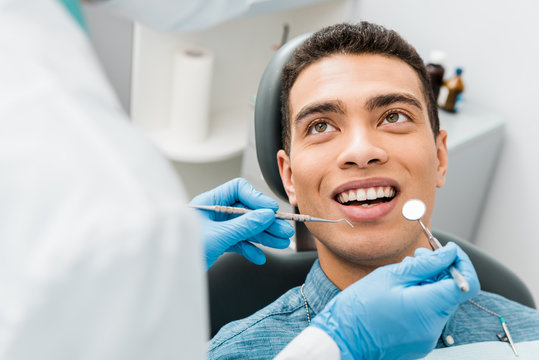
Transforming Dental Anxiety Through Mindful Awareness
As a dentist Magherafelt and other dental professionals are aware, the mere mention of a dental appointment can send shivers down many people’s spines, yet this common apprehension needn’t define one’s relationship with oral healthcare. Modern dentistry has embraced a revolutionary approach that combines traditional clinical excellence with mindfulness practices, creating an environment where patients can experience genuine relaxation during their treatments. This integration of mental wellness techniques with dental care represents a significant shift towards holistic patient comfort.
Mindfulness, the practice of maintaining moment-to-moment awareness of thoughts, feelings, and sensations, offers remarkable benefits when applied to dental experiences. Research has shown that patients who employ mindfulness techniques during dental procedures report significantly reduced anxiety levels and improved overall satisfaction with their treatment. The beauty of these techniques lies in their simplicity and accessibility, requiring no special equipment or extensive training.
Understanding the Mind-Body Connection in Dental Settings
The relationship between mental state and physical comfort during dental procedures is profound and well-documented. When patients feel anxious or stressed, their bodies naturally tense up, potentially making procedures more uncomfortable and prolonging treatment times. Conversely, a relaxed mental state promotes physical ease, allowing dental professionals to work more efficiently whilst ensuring patient comfort remains paramount.
Many dental practices now recognise this connection and actively incorporate mindfulness-based approaches into their patient care protocols. Scientific research on mindfulness applications in dental care continues to validate these practices, demonstrating measurable improvements in patient outcomes and satisfaction scores.
Practical Breathing Techniques for Dental Visits
The Foundation of Mindful Breathing
Controlled breathing forms the cornerstone of mindfulness practice and proves particularly effective in dental settings. The 4-7-8 breathing technique offers patients a simple yet powerful tool for managing pre-appointment nerves and maintaining calm throughout procedures. This method involves inhaling for four counts, holding the breath for seven counts, and exhaling slowly for eight counts, creating a natural relaxation response.
Progressive Breathing Awareness
Another highly effective approach involves progressive breathing awareness, where patients focus attention on different aspects of their breath throughout the appointment. Beginning with simple observation of natural breathing patterns, individuals can gradually deepen their awareness, noticing the sensation of air entering and leaving their nostrils, the rise and fall of their chest, and the gentle rhythm that naturally emerges when tension subsides.
Body Scanning and Progressive Relaxation Methods
Systematic Tension Release
Body scanning represents another invaluable mindfulness technique that patients can employ during dental treatments. This practice involves systematically directing attention to different parts of the body, identifying areas of tension, and consciously releasing that tightness. Starting from the toes and working upwards, patients can mentally check in with each muscle group, allowing unnecessary tension to dissolve naturally whilst maintaining awareness of their physical state.
Progressive muscle relaxation complements body scanning beautifully, offering patients a structured approach to physical calm. By deliberately tensing and then releasing different muscle groups, individuals create a stark contrast that highlights the difference between tension and relaxation. This technique proves particularly beneficial for those who struggle with chronic anxiety or have difficulty recognising when their bodies are holding stress.
Visualisation and Mental Anchoring
Mental imagery provides another powerful tool for creating positive dental experiences. Patients can transport themselves mentally to peaceful locations—perhaps a tranquil beach, a serene forest, or a comfortable room at home. Harnessing mindfulness techniques during dental procedures often involves creating these mental sanctuaries that serve as anchors of calm throughout treatment.
Some individuals find success with guided imagery specifically designed for medical settings, where they visualise their body healing and responding positively to treatment. This approach transforms the dental experience from something endured into something actively participated in, fostering a sense of empowerment and collaboration with the dental team.
Creating Lasting Positive Associations
The ultimate goal of incorporating mindfulness into dental care extends beyond mere anxiety management. Understanding the comprehensive benefits of mindfulness in dental settings reveals how these practices can fundamentally reshape one’s relationship with oral healthcare. Regular practice of mindfulness techniques helps patients develop resilience and confidence that extends far beyond the dental chair.
Modern dental practices increasingly recognise the value of supporting patients through mindfulness-based approaches. This evolution in patient care reflects a broader understanding that optimal dental health outcomes emerge when both physical and emotional wellbeing receive equal attention.
Embracing a New Approach to Dental Wellness
Mindfulness techniques offer patients genuine pathways to transforming their dental experiences from sources of anxiety into opportunities for personal growth and relaxation. Through consistent practice and professional support, individuals can develop lasting skills that enhance not only their dental visits but also their overall approach to healthcare and stress management in daily life.
