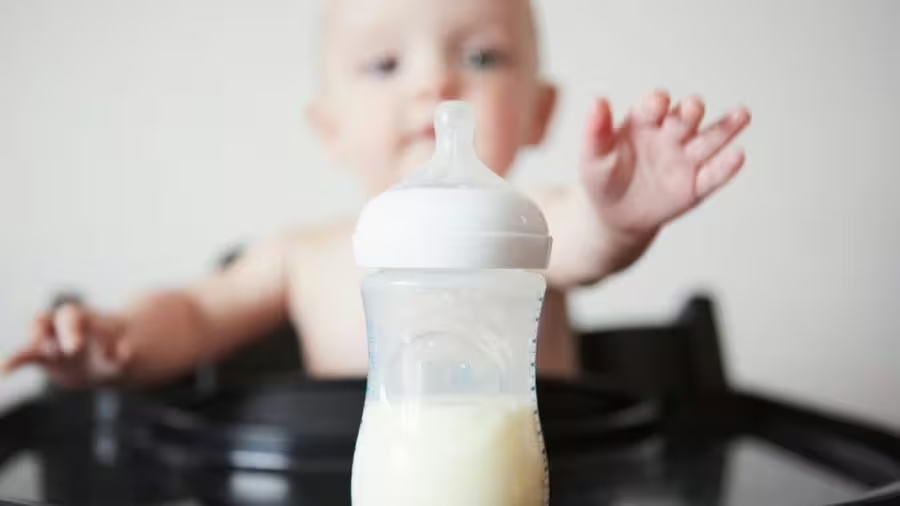
Feeding essentials can help a young child build confidence during daily mealtimes. Simple tools support grasping, scooping, sipping, and controlled movement while encouraging active participation. Suitable choices should match developmental readiness rather than age alone. Safe shapes, easy handling, and steady routines make practice calmer. Parents can encourage self-direction through repeated practice each day, with organic baby milk formula supporting familiar feeding routines.
Easy Grasp Feeding Tools
Small utensils with broad handles can help little hands maintain a steady hold. Rounded edges can reduce strain during early practice. A shallow design can make scooping easier while limiting large amounts. Parents can place one tool within reach for the baby to practice.
Stable Seating Supports Control
A secure seated position gives the child better control during mealtimes. Feet should rest against a firm surface when possible to support posture. A suitable chair should keep the body upright without restricting movement. Good positioning can make utensil handling more manageable.
Practical Choices Encourage Practice
Useful feeding items should support actions that a child can repeat often. Parents can introduce one new tool at a time to avoid confusion. Items should be easy to hold, clean, and store after use. Choosing organic baby milk formula can support a familiar feeding routine based on a child’s needs.
- Broad handles can support firmer control during early utensil practice.
- Shallow bowls can reduce spills during self-directed attempts.
- Secure cups can encourage steady sipping with fewer interruptions.
- Soft-tipped utensils can support gentle mouth contact during practice.
- Simple plates can keep portions organized within easy reach.

Age Readiness Guides Progress
Readiness signs can help parents decide when to introduce new tools. Better hand control may support grasping, while steady sitting can improve balance. Each child develops at a different pace, so progress should remain gradual. Safe supervision remains important whenever the baby practices eating skills.
Good feeding routines work best when tools match current abilities. Parents can begin with simple choices, then adjust them as control improves. Clear portions and suitable utensils reduce difficulty while giving children room to participate. These steps can support steady learning without pressure. A thoughtful routine can make everyday meals manageable while encouraging growing independence for the baby at home.
FAQ
Which feeding tools support early independent eating skills best?
Broad handles and stable bases make early practice easier.
When should parents introduce simple utensils for early self-feeding?
Introduce suitable tools when grasping and sitting control improve.
How can routines encourage greater independence during daily family mealtimes?
Consistent setups give children repeated chances to practice independently.