
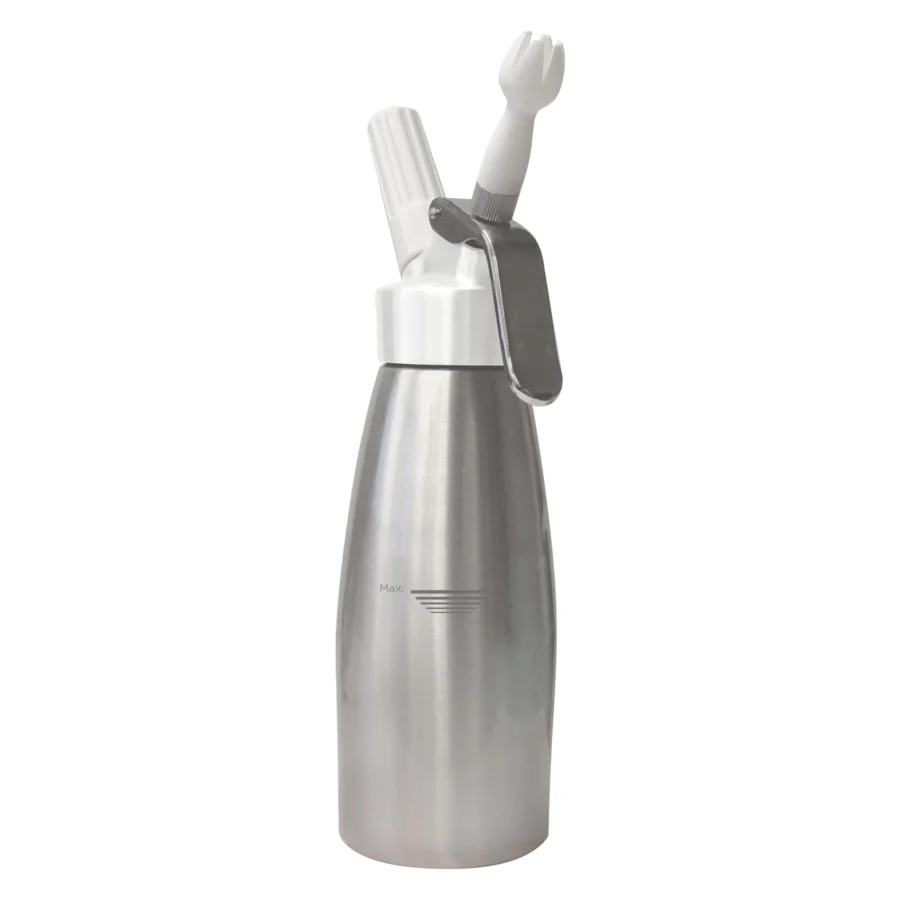
Buying a nitrous oxide tank isn’t something most people do every day. Whether you’re using it for whipped cream, desserts, coffee drinks, or other food-grade applications, the quality of the tank matters more than you might think. A quick look before buying can save you from poor performance, strange tastes, or even safety issues later on.
Here’s what you should actually check before spending your money.
Check the Purity Level First
Not all nitrous oxide is created equal. For food use, you should always look for food-grade nitrous oxide, typically listed as 99.9% purity or higher. This level of purity ensures there are no unwanted residues that could affect flavor or smell.
If the product description doesn’t clearly state purity, that’s a red flag. Reliable sellers usually make this information easy to find because they know customers care about taste and consistency.
Look at the Tank Material
Most high-quality nitrous oxide tank is made from thick steel or aluminum with a clean internal finish. The material affects both durability and gas stability.
Avoid tanks that feel unusually light or poorly finished. A solid tank with a smooth exterior usually indicates better manufacturing standards and safer pressure control.
Inspect the Valve and Seal
The valve is one of the most important parts of the tank. A poorly made valve can cause slow leaks, pressure loss, or difficulty attaching to your dispenser.
Before buying, check that:
- The valve looks clean and well-fitted
- There are no visible dents or scratches around the opening
- The seal appears intact and undamaged
A good valve should feel sturdy, not loose or flimsy.

Check the Pressure Rating
Nitrous oxide is stored under high pressure, so the tank needs to be built for it. Look for clear pressure markings on the tank or in the product specifications.
If pressure information is missing or vague, it’s better to choose another option. Proper pressure rating ensures consistent gas release and safer use.
Make Sure It’s Factory-Sealed
A new nitrous oxide tank should arrive fully sealed. This tells you the gas hasn’t been tampered with or partially used.
If you’re buying online, look for mentions of tamper-proof seals or protective caps. For in-store purchases, avoid tanks that appear opened or resealed.
Check the Fill Amount
Some tanks look large but don’t actually contain much nitrous oxide. Always check the net gas weight, not just the tank size.
Compare different products by grams or liters of N₂O. This makes it easier to understand what you’re really paying for and helps avoid overpaying for underfilled tanks.
Review the Brand and Seller Reputation
Even if the tank looks good, the brand behind it matters. Established sellers usually follow stricter quality control and storage standards.
Before buying:
- Read customer reviews
- Check how long the seller has been in business
- See if they specialize in cream chargers or food-grade gas
If a seller focuses only on nitrous oxide products, that’s usually a good sign.
Check Storage and Shipping Conditions
Nitrous oxide tanks should be stored and shipped properly to maintain pressure and purity. Poor handling can lead to pressure loss or contamination.
Look for sellers who mention proper storage, temperature control, or protective packaging. This extra care often reflects overall product quality.
Don’t Ignore Price — But Don’t Chase the Cheapest Option
Extremely low prices can mean compromised quality, low purity gas, or recycled tanks. While you don’t need the most expensive option, a reasonable price usually reflects safer materials and better gas consistency.
Think of it as an investment in performance and peace of mind.
A nitrous oxide tank might seem simple, but small details make a big difference. Checking purity, tank build, valve quality, sealing, and seller reputation can help you avoid disappointment and ensure smooth, reliable results.
Before buying, take a few minutes to look beyond the label. Your whipped cream — and your equipment — will thank you.
